Frequently Asked Questions
Clear answers about the sales tax vote and what it means for emergency services in Magnolia.
This election addresses the gap between Magnolia's rapid growth and the funding structure that was originally designed for a much smaller, slower-growing community.
The Magnolia Fire Department has experienced significant increases in call volume, service demand, and infrastructure needs as residential, commercial, and multi-family development has expanded. At the same time, the cost of fire apparatus, equipment, staffing, and station construction has increased substantially nationwide.
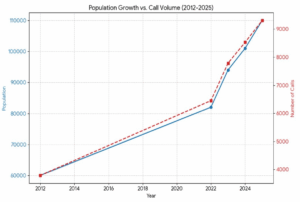
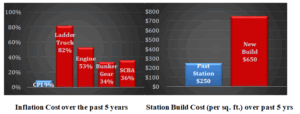
Currently, the department relies primarily on property taxes for funding. The proposed sales tax would allow the funding model to better reflect how the community is growing by broadening the revenue base to include commercial activity and visitors — not just property owners.
This election is about maintaining reliable emergency response, addressing aging infrastructure, and planning responsibly so the department can continue to meet community expectations as Magnolia continues to grow.
As with any sales tax, the actual amount would vary based on retail activity and growth. Any revenue collected would be incorporated into the district's annual budgeting process and subject to normal financial oversight including Board Approval in an Open Meeting.
Currently, about 57% of funding comes from property taxes and about 43% from sales taxes. If voters approve the measure, the balance would shift to roughly 57% sales tax and 43% property tax, spreading the responsibility more broadly.
Based on current estimates, the additional one-cent sales tax could make up about 20–25% of the district's annual budget. The goal is to create a more balanced funding model rather than relying mostly on property taxes.
In other districts, as commercial growth increases, sales tax has become a larger part of funding — in some cases allowing those districts to rely less on property tax over time.
Areas of the district already at the 8.25% maximum would not see any change. The additional one-cent tax would only apply where local capacity is still available.
The green area on the map represents our 165 sq. miles of ESD coverage. The black areas within our service area are already at the 8.25% max and would not see any change.
It is important to note that while some areas are at the max, there are areas where we do not see any sales tax revenue — including the City of Magnolia and some areas along 1488/2978.
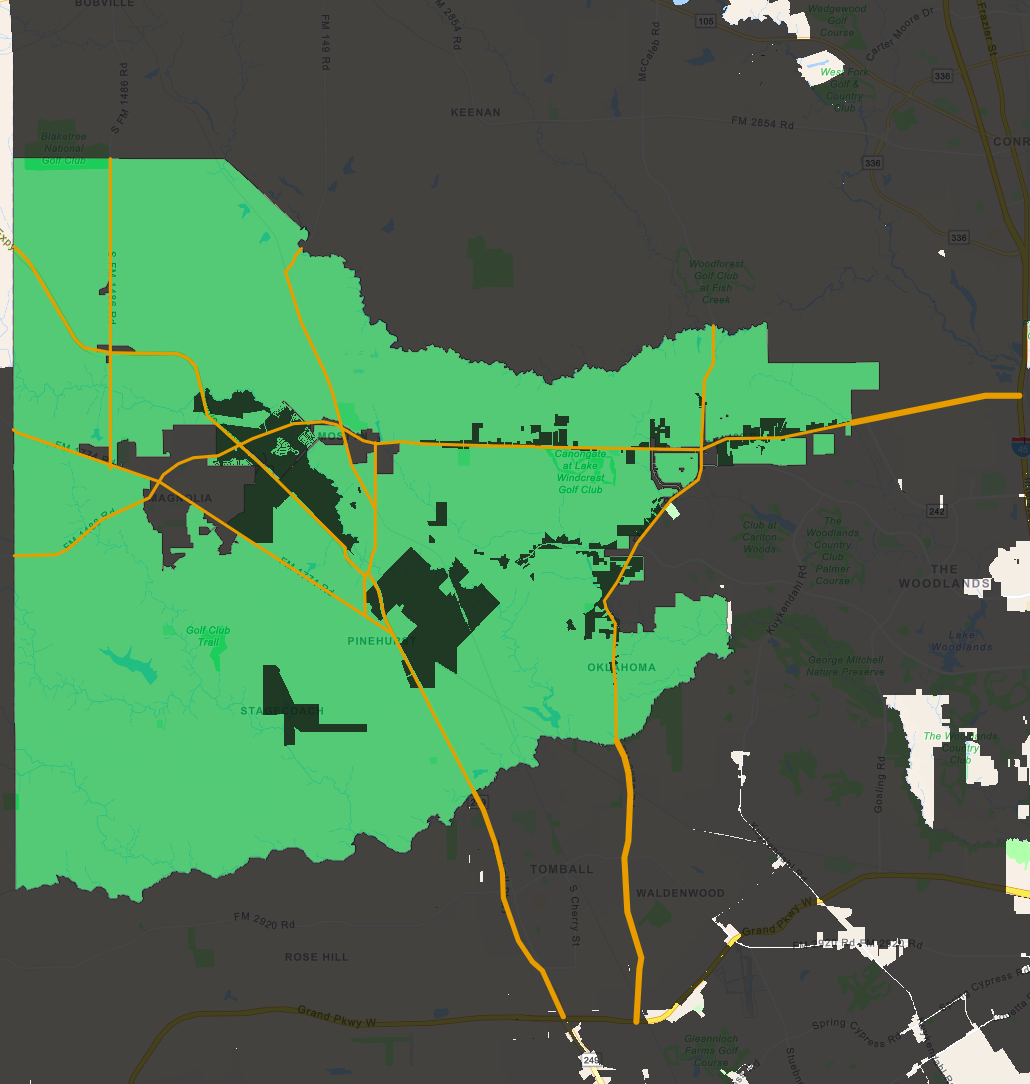
Bordering areas to the north, east, and south of our district are already at the 8.25% max — and in those areas, the full 2% is allocated to fire protection (The Woodlands, Tomball, MCESD 2 and MCESD 3).
If approved, funding would help the department keep up with the demands of a growing community, including:
🚒 Apparatus & equipment — replacing aging fire trucks and equipment to meet national safety standards
👷 Staffing — ensuring we have the personnel needed to continue providing dependable emergency response
The focus is on maintaining reliable service, taking care of what we already have, and planning responsibly for Magnolia's future.
This funding is intended to help the department maintain reliable service as Magnolia continues to grow. As development expands across the district, additional infrastructure is needed over time — including fire stations, apparatus, and staffing to maintain coverage.
Having the right number of stations and personnel helps maintain dependable response times and ensures we can continue responding effectively as call volume increases. This funding would allow us to plan for those long-term needs and keep pace with Magnolia's growth.
Yes. Since becoming Fire Chief a little over a year ago, one of our top priorities has been moving from a reactive posture to a more proactive approach — especially when it comes to long-term planning. The district already maintains long-term planning for staffing, apparatus replacement, and infrastructure needs based on growth, call trends, and facility conditions.
Additional funding would allow the department to address these needs sooner, move projects forward on a reasonable timeline, and help keep pace with the growth we're seeing across Magnolia.